


Let’s get real: Designing verisimilitude in film

In 2009 James Cameron released his sci-fi spectacular Avatar (Cameron 2009). This film showcased revolutionary technological strides through its use of digital CGI, creating a level of cinematic realism that was arguably seen for the first time in this picture. However, although the blue Na’vi and enchanting world of Pandora was believable, it was not realistic. Audiences were able to accept Pandora as believable due to pre-existing expectations of this world as a result of the information given prior to watching and the genre. This essay will explore the methods and techniques that filmmakers use and have developed to create believability within their films.
In order to examine this topic I will look into theories of realism in all mediums applying this to cinema, as well as this I will be looking into specific film theorists referring to the work of Andre Bazin (Bazin and Gray 2005) and his more traditional ideas of film realism. I will also look into more contemporary and modern theorists such as Shilo Mcclean (Mcclean 2008), her ideas on photorealism and the more technical aspects of film compositing. As realism is a broad topic with many definitions I intend to look into Stephan Princes (Prince 2011) ideas of perceptual realism in application to cinema. I will be researching the techniques filmmakers have developed and use to create a sense of realism in a non-realistic medium, this is more about making a film ‘believable’ rather than it being ‘real’. By researching theorists such as Kit Fine (Fine 2019) and William Guynn (Guynn 2010) their ideas on verisimilitude I hope to find the key technical ideas behind designing realism in an unrealistic world. As well as looking into the theories behind realism I will be researching the techniques used in films such as Jurassic Park (Spielberg 1993), Fantastic Beasts and Where to Find Them (Yates 2016) and 1917 (Mendes 2019) which contain both ground breaking and new approaches to creating realism through verisimilitude.
Realism
Cinema is often judged by how good it is based on its level of believability, this is generated by the level of realism strategically embedded within the visuals but there are many forms of realism across a broad spectrum. The spectrum of cinematic reality stretches from documentary which is a complete reflection of our world for example the TV show Our Planet (Our Planet 2019) to experimental and Avant Garde which are so far from reality that they are often seen as disturbing and unsettling. Modern cinema releases normally sit towards the centre of this spectrum, because both ends are so different it means that genres such as fantasy or action can draw inspiration both from the real and surreal, generating magical and mystical worlds. Film makers drawing inspiration from this spectrum can lead to audiences more easily accepting a cinematic world, due to its foothold in our reality. Realism in relation to audience belief is influenced in 3 main ways, firstly it needs to be grounded in reality, if something has enough roots in our reality then it can be believed by an audience. For example, in Harry Potter and the Philosopher’s Stone (Columbus 2001) we see the children taking part in a broomstick flying class (figures 1&2) which very much resembles our childhood P.E. lessons meaning that as an audience we can accept this school as the educational system has similarities. Secondly, the film must meet audience expectations normally based on the trailer, genre and information the production companies have released prior to cinema release. For example a film such as Mission Impossible, (De Palma 1996) as a part of an action franchise audiences expect fight scenes and explosions and would therefore be shocked if they were presented with wizards and magic. This initial shock would make the cinematic experience unbelievable. Finally, it needs to be visually believed from a technical standpoint such as the CGI composite, texturing and lighting being seamless, if this is done badly the audience can be broken out of the film and it becomes more comedic rather than artistic and beautiful.
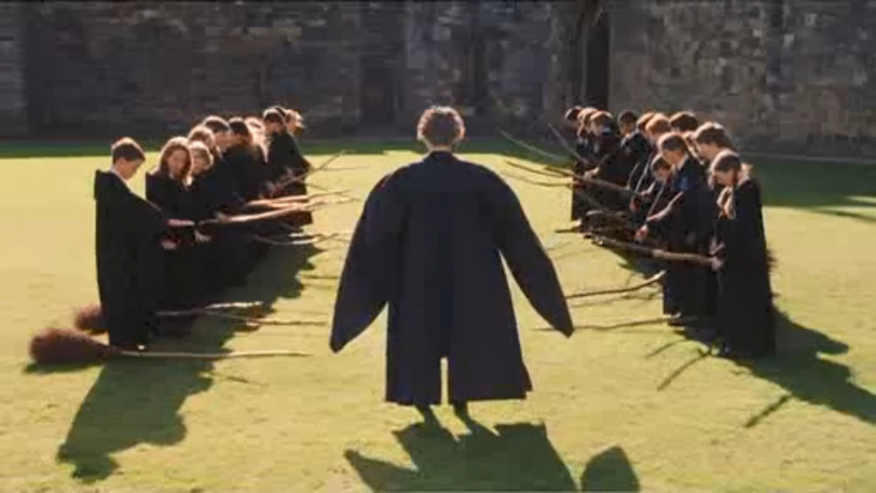
Fig. 1: Columbus 2001. Harry Potter and the Philosophers Stone

Fig. 2: Columbus 2001. Harry Potter and the Philosophers Stone
The spectrum begins with Documentaries such as Blue planet II (Blue Planet II 2017) this is a TV programme where cinematographers follow creatures in the ocean and film them in normal situations, therefore by observing and not influencing the creatures this is a real reflection of our world. The next notable step is Bio-pic media such as Fighting With my Family (Merchant 2017) and Cool Runnings (Turteltaub 1993), Bio-pic’s are often a dramatized refection of real events these therefore have elements of realism but they are exaggerated in order to make the narrative more interesting to an audience. Some films within this genre have real world news footage such as Cool Runnings, as the final race scenes contain footage of the 1988 Olympics crash. This use of what Barbara Flueckiger (North, Rehak and Duffy 2015) refers to as “analogue artefacts” such as historical looking footage, often blurred and worn, is used to create a sense of realism as audiences are almost taken back to that moment in time. Blockbuster and mainstream films lie along the middle third of the spectrum, depending on their genre. This is because they take inspiration both from the real and surreal, in turn creating a hybrid that is more believable to an audience. Avant guarde films such as Georges Melies’ le Voyage Dans la Lune (Melies 1902) are more inspired by the surreal and therefore contain a unique visual language, making his work no longer perceptually believable but ensuring they are interesting and enchanting. This aspect of his films although not ‘realistic’ don’t try to be and this is more of an art form with a specific niche audience. Experimental film is seen as the furthest from documentary as it is radical in its ideals and explores more unique methods of storytelling such as using VFX and practical FX in a very exaggerated way. Although most agree that by following this spectrum you can design the reality you require for your film, directors such as Ken Loach believe that realism is created by seeing ‘real’ people, this implies that reality is in the mundane. For example, his award winning film I, Daniel Blake (Loach 2016) follows a normal man struggling with problems that are not often depicted in media, this is both in hope to represent people and to educate.
Much like cinematic realism, realism itself is on a spectrum, as technology has developed it has gotten more complex and broad. This ranges from perceptually realistic to photorealistic. Raftopoulos and Athanassios (Raftopoulos and Athanassios 2012) state that movies are unrealistic in a perceptual sense, this is the idea of what we see and is therefore in reference to a person looking at an object in the real world. Therefore suggesting that what we see is the most realistic thing as it isn’t generated or simulated on a screen. Implying that cinema cannot achieve ‘realism’ by their definition but it can draw from it as a starting point. For example Melies’ films are far from perceptually real by their definition but this theory suggests that even documentary isn’t real as it is captured through a camera and therefore cannot be realistic. Stephan prince is the most well-known theorist of perceptual realism in film, In his book digital visual effects in cinema: the seduction of reality (Prince 2011) he suggests that film being an immersive experience is the most important aspect of cinematic realism. This means that the visuals the audience are presented must fit within the world and convince them to believe. Suggesting once more that by drawing on reality the audience can accept what they are seeing. For example Melies’ work is not perceptually realistic, his films draw a lot of inspiration from the theatre and magic shows of the time and therefore was not completely new to audiences at the time. Although he used VFX to enhance the visuals there was enough of a root in reality for audiences to be accepting of the situations and visuals. Films more central to this spectrum such as Shang-chi and the Legend of the 10 Rings (Cretton 2021) although fantastical route themselves in reality firmly by having ‘normal people’ as their main characters. This almost creates realism as it gives an audience the sense of ‘it could be anyone’ as we see the character with a normal job surrounded by the mundane, this makes it more believable and therefore ‘realistic’. Prince states that if VFX is done correctly then it is a great tool to enhance realism but if it is not interwoven seamlessly then the audience’s belief is broken. Prince states how visual effects can build a bridge between our world and the cinematic world, he believes that even if something is ‘unrealistic’ in a perceptual sense if it fits with the aesthetic of the film it can enhance the experience. He uses Transformers to evidence this idea as these mechanical creatures, although far from real, are clearly made from real car parts and therefore have a strong believable foothold in our world. On the other end of the spectrum lies Photorealism, this is what the camera sees/captures this consequently is not ‘real’ in our world as these images are often warped and generated. In application to Raftopoulos and Athanassios these images cannot be real and they argue that this is not reality but is a reflection/image of what is real suggesting that photorealism strives for reality but cannot completely recreate it.
How did film theory begin?
The ongoing debate over film realism has been theorised and discussed since the dawn of cinema. Hugh Gray in his book what is cinema (Bazin and Gray 2005) discusses the idea that as the first films were silent this meant that they peaked artistically by 1928 and subsequently began to become embarrassing. These films could therefore not reach a ‘realistic’ status, as they were missing a fundamental element of the world, this being sound. Film theory has therefore always been referencing realism and the elements that are required to design something realistically. In reference to Bazin, Hugh Gray states
“Originality in photography as distinct from originality in painting lies in the essentially objective character of photography. (Bazin here makes a point of the fact that the lens, the basis of photography, is in the French called the “objectif,” a nuance that is lost in English)” (Bazin and Gray 2005).
Here Gray is referring to the idea of photorealism, he suggests that for a painting there is always something of the artist within the piece, he implies that this is the same for photography as the photographer is positioning the camera and designing the objective of the image. This obviously has an impact on documentary as there is always something of the film maker within the work, this is even more apparent in a fiction film as there is more creative expression. Bazin argues that this is more real than painting as there is a lack of human interference and the lack of depth and character to the image. Although he later states that photography due to the technical elements of the camera, the reproduction of colour is highly inferior to artist’s eyes reflecting this in a painting. In modern film this ‘Photographic realism’ is being warped and changed as the filmmaker is the artist, so Bazin would suggest that both due to human interference and photography that this cannot be a true reflection of reality. Shilo Mcclean in reference to Carl Rosendahl (Mcclean 2008) states how live action films once used minimal and bold effects such as a CG composite, but now films can use 800+ DVFX shots and are therefore becoming a lot more computer generated. Mcclean (Mcclean 2008) refers to films such as Star Wars (Lucas 1977) and Jaws (Spielberg 1975) as films famous for their use of DVFX to create a spectacle, but states how this is no longer the only way that VFX can be used in film. VFX can be an invisible enhancement of realism within a scene. Even films that are not considered VFX films such as Little Women (Gerwig 2019) contain heavy VFX shots that are seamless. Figure 3 shows a finished shot from the film and Figure 4 shows the raw shot, as you can see the final shot doesn’t stand out as a DVFX shot but when compared with the raw footage it is clear that a lot of work went into making this scene accurate. This shot alone contained a 3D environment modelled, textured and composited into the footage as well as actor replacements, as stunt doubles were used. This shows that film makes embed realism within every shot, taking care to consider continuity, narrative and believability.

Fig. 3: Gerwig 2019. Little Women

Fig. 4: Gerwig 2019. Little Women
What is Verisimilitude?
Verisimilitude in its most simple form is the idea of something being ‘very similar’ to its real world counterpart. In application to film this can refer to design, inspiration, technical application etc… William Guynn (Guynn 2010) describes verisimilitude as being something that doesn’t correspond directly with its real world counterpart, but instead is the idea that something is very similar. It therefore isn’t real but is real enough that audiences can pretend that it is convincing. Audiences don’t really believe what they see in film is real but can buy into the fantasy for escapism and joy. Verisimilitude is used in modern cinema as a technique to generate realism within a cinematic world, character or genre. At its core verisimilitude is the idea of reflecting enough reality on something that is technically not real, almost forcing belief upon an audience as they are shown visuals that contains enough likeness to allow belief. Filmmakers use verisimilitude to their advantage by using perceptual realism, as perceptual realism is what we see in our world by using this information and warping it they create a whole new reality stemming off of our own. This technique is used throughout the production pipeline. For example, in Fantastic Beasts and Where to Find Them (Yates 2016) there are a lot of creatures, these therefore needed to be designed so that they were both magical and ‘real’. Figure 5 shows a creature from the suitcase scene, although this is an imaginary creature, clear design influence was taken from our world. Animals such as lions and tigers were the base for the creature’s movements and silhouette, these realistic boundaries were enhanced by the addition of spikes and a darker colour scheme. By using a starting point of something already real the audience half accepts the creature already, the genre and expectations for the film allow more reality rules to be broken without destroying the believability. This technique is used in almost all films of this kind as an audience expects ‘magic’ and therefore already will accept more, but they still need that foothold from our world in order to more easily accept something and not find the design comedic and unbelievable. Kit fine (Fine 2019) refers to verisimilitude as being somewhat problematic in reference to the degree of truth it perceives. Although yes using this technique to make something ‘realistic’ is problematic, in application to a fantasy world twisting, combining and creating hybrids from our world is highly impactful as it plays to an audiences subconscious. They can more easily accept characters designed in this way because of their ‘common knowledge’.

Fig. 5: Yates 2016. Fantastic Beasts and Where to Find them
How do film makers create verisimilitude?
Although perceptual realism is something that is currently out of the reach of film makers, many techniques have been developed through the decades striving for realism. These techniques are constantly evolving and developing with each new release aiming to create a more ‘real’ aesthetic in film.
When you apply these theories to modern VFX, Dinour refers to the idea that photorealism as not making an asset look ‘real’ but making it fit into a scene/world seamlessly (dinur 2017). He gives the example of Jurassic park (Spielberg 1993) to back up this idea, stating that the dinosaurs seen in Jurassic park cannot be realistic to an audience as they are not seen in our world. As audiences have no prior visual ideas they can draw belief from they are forced to use the general knowledge from science and other Medias they have consumed. Gerbners cultivation theory suggests that audiences generate an idea of what they perceive as ‘real’ by consuming other forms of media (Gerbner 2000). Elements within our world such as toys, animated TV shows, previous films etc... All influence what an audience would expect form a ‘dinosaur film’ and therefore influences whether or not they will believe the motion picture. This is therefore not ‘real’ in a perceptual or even a scientific sense but film makers have to adapt their techniques and influences in order to enchant the audience.
The cinematic masterpiece Jurassic park (Spielberg 1993)is a great example of great VFX as they used many different techniques to generate the island of the dinosaurs. Jurassic park was released in 1993 and the dinosaurs although not technically perfect still stand strong as a ‘real’ representation of dinosaurs in modern cinema. Figure 6 shows an example from the T-Rex scene, this is a very noteworthy scene due to how intense it is to watch and therefore how clever the filmmakers were. Originally Stephan Spielberg wanted all of the dinosaurs in the film to be animatronic but due to the budget this was not the case, filmmakers had to be very clever when determining the shots where CGI would be heavily relied upon. In this particular scene the animatronic head was used when the dinosaur made contact with the cars. This ensured that the contact points were ‘realistic’ as they were, the dinosaur was interacting with the car during filming. CGI interactions can really reinforce reality in a scene and even in modern cinema FX like this are extremely difficult. For example, Figure 7 shows a scene from Fantastic Beasts and Where to Find Them (Yates 2016) you can clearly tell this magical creature is not in the scene as the contact between the actor and CGI creature is incorrect, although it may not look too bad in motion it is clear the actors hand is hovering above the CGI creature. As both films were made with different techniques Jurassic park seems more real as even the actors were able to see the dinosaur, this fuelled their performances and made the stakes higher allowing audiences to believe the situation. Rather than relying upon CGI and post production by having a reference point and carefully choosing the shots realism can be made. Jurassic park was released in 1993 during this time there were no realistic CG assets in film although some scenes in the film are less realistic than others for example, figure 8 is an earlier shot and due to the lighting it is much more apparent of the lack of realism. But compared to other CGI characters such as Figure 9 showing a character from Star wars: The Phantom Menace (Lucas 1999) this came out 6 years later, there is a clear lack of realism. When analysing both figures 7 & 9 the use of lighting is clearly different, for Jurassic park filmmakers knew that if the scene was dimly lit with a single light source they could control what is seen. The addition of rain allowed visibility to lack in a believable way as well as allowing points for light reflection on the dinosaur. By cleverly controlling the way that the Dinosaur is revealed it enabled them to plan the shot carefully ensuring they show enough to an audience to provoke fear and believability of the characters situation. Whereas figure 9 shows the character in clear day light and it is extremely difficult to accurately reflect realistic lighting on a CG character this has resulted in a clear seam between the CG and filmed footage. Both Jurassic park and Star wars: The Phantom Menace were released in the same decade, therefore meaning they had access to the same technology. The clear difference however was in the design of the film, Jurassic park focused on the ‘real’ and star wars seemed to focus on the ‘spectacular’. Lighting, design and planning is therefore extremely influential for the believability of a CG asset. This is the case for all film techniques such as green screen. For example, The Lord of the Rings: The Return of the King (Jackson 2003) hobbits are much smaller than every other character in this cinematic world. Figure 10 shows a scene where the hobbits are in a crowd, due to their lighting and composite they are clearly out of place. This once again shows the importance of what Dinour (Dinur 2017) says in reference to making VFX seamless since we saw the seam it is now more comedic than being the monumental moment the narrative begged for. By making choices during filming verisimilitude can be woven into a shot before post production begins, the importance of design and planning cannot be overlooked in film making as it can make or break the realism.
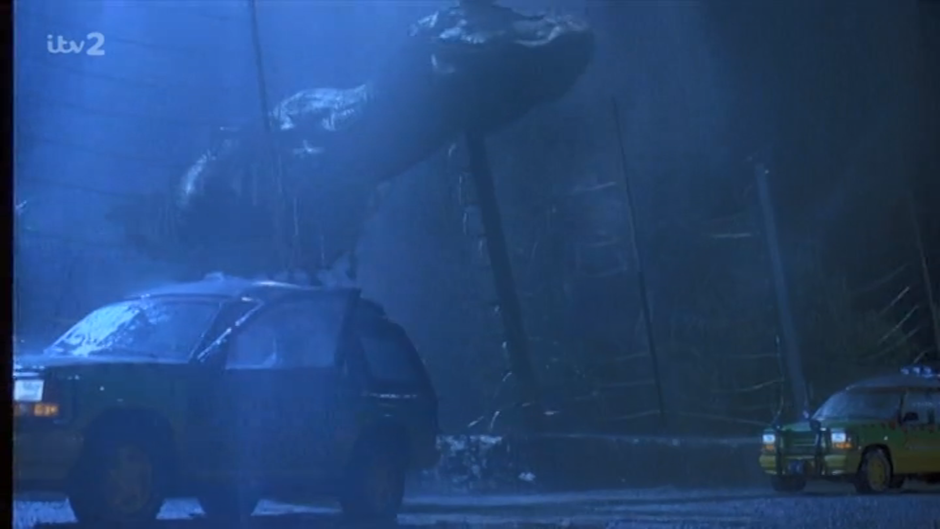
Fig. 6: Spielberg 1993. Jurassic Park

Fig. 7: Yates 2016. Fantastic Beasts and Where to Find them

Fig. 8: Spielberg 1993. Jurassic Park

Fig. 9: Lucas 1999. Star Wars: Episode I – The Phantom Menace
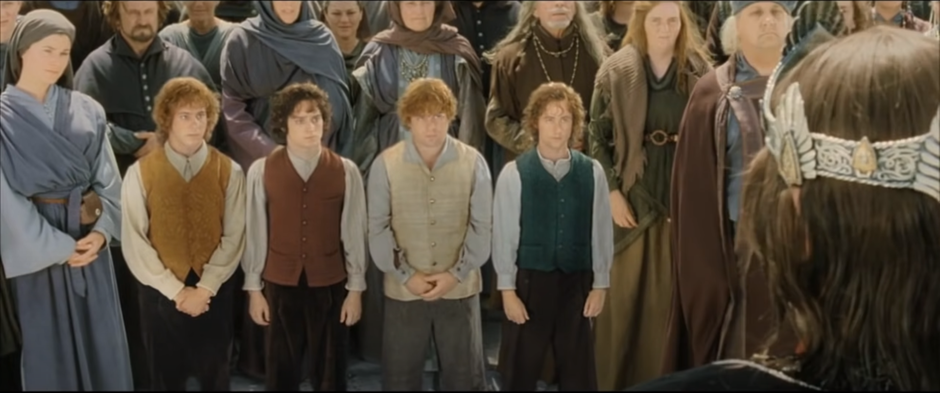
Fig. 10: Jackson 2003. The Lord of the Rings: The Return of the King
Another technique used to create verisimilitude within a scene is by adding surface imperfections, this is in reference to CGI assets that have been composited into a shot. Designing assets with surface imperfections is drawn from the idea that nothing within our world is perfect, it has scratches, finger prints, dirt marks, dust, and rust and is used. Therefore to make something more realistic it cannot be perfect as audiences will know straight away that it was not there when filming took place. Surface imperfections are normally added in the texturing phase of the 3D pipeline and can often consist of displacement maps, this is a texture that visually alters the geometry of a CG asset. Displacement maps are often used instead of creating more complex high poly assets as a displacement can be cached and render time is faster. Figure 11 shows a scene from Soul, (Doctor and Powers 2020) although this is a completely animated film surface imperfections are clearly used, I have circled a few clear examples on the figure this is where the wood of the piano has dented, chipped and been worn down with time. This technique creates a sense of verisimilitude as ‘real’ pianos if used every day have ware are tare. As the main character is a music teacher we assume he plays this instrument every day, if the piano was perfect the audience wouldn’t see his passion for music as clearly. Although surface imperfections are an amazing example of embedding realism there is debate over whether this is ‘real’. In his book what is cinema Hugh Gray states “no matter how skilful the painter, his work was always fee to inescapable subjectivity. The fact that a human had intervened cast a shadow of doubt over the image” (Bazin and Gray 2005). Although this is in reference to painting, in application to film it suggests that no matter how much effort, detail or reference the fact that it had been designed is what is stopping the realism as it is the perfect reflection of an imperfection.

Fig. 11: Doctor and Powers 2020. Soul
A more 4th wall breaking film making technique is the idea of almost letting the camera be seen and used as a device to embed reality into a film. For example 1917 (Mendes 2019) is designed to look as if it was filmed in a single shot, this was done as the main character is on a highly time sensitive mission. By following him along real time audiences really feel the time pass, this generates a sense of urgency to his situation. The camera can be a real creative tool to a narrative in many ways such as shaky cameras. For example, in the iron giant (Bird 1999) although this is an animated movie, to show the magnitude of the giant at some points such as when the giant steps the camera shakes, this design choice shows the audience the impact the giant has on the environment. Certain cinematographic choices such as low angle and point of view shots also are used in films such as Pacific Rim (Del Toro 2013) to show the massiveness of the creatures and jaegers (figure 12). Choices made when creating a film can impact the belief as although this almost allows an audience to see the camera and therefore know its not real can make something that much more real. It can almost feel like watching a documentary. This may be somewhat unconventional it is highly impactful as most ‘real’ footage we see such as on the news is found, hand held, shaky etc. . . By taking these ideas and adding them into cinema it creates more of a perceptual realism and therefore generates verisimilitude.

Fig. 12: Del Toro 2013. Pacific Rim
In conclusion the ever evolving medium of cinematic realism cannot ever be truly real in all eyes, the way in which realism is gained is by enchanting an audience into belief of what they are seeing. By cultivating an idea and reflecting this information in a scene or character as well as using the real world as a reference filmmakers can create enough of a realistic visual. Design, planning and technical application can enable film makers to make unique choices reflecting the real world into their work. Realism stems from audience belief and this allows filmmakers creative freedom but when VFX are bad then they will be broken free of the world, so by allowing audiences enough reality as foothold and using pre-existing genres, ideas and stereotypes films can design with this in mind.
Bibliography
BAZIN, André and Hugh GRAY. 2005. What Is Cinema? - Volume I. [New ed.] / new foreword by Dudley Andrew. Berkeley, Calif. ;: University of California Press.
DINUR, Eran. 2017. The Filmmaker’s Guide to Visual Effects the Art and Techniques of VFX for Directors, Producers, Editors and Cinematographers New York: Routledge.
FINE, Kit. 2019. ‘Verisimilitude and Truthmaking’. Erkenntnis 1–38.
GUYNN, William. 2010.’Verisimilitude’ Routledge Companions: The Routledge Companion to Film History.
MCCLEAN, Shilo T. 2008. Digital Storytelling the Narrative Power of Visual Effects in Film / Cambridge, Mass. ;: MIT.
NEALE, Steve. 2000. Genre and Hollywood London: Routledge.
NORTH, Dan, Bob REHAK and Michael DUFFY. 2015. Special Effects New Histories/theories/contexts London: BFI.
PICKRELL, John. 2016. Weird Dinosaurs : the Strange New Fossils Challenging Everything We Though We Knew New York, [New York: Columbia University Press.
PRINCE, Stephen. 2011. ‘chapter 5, Digital Visual Effects in Cinema : The Seduction of Reality’ New Brunswick, NJ: Rutgers University Press,.
RAFTOPOULOS, Athanassios and Peter K. MACHAMER. 2012. Perception, Realism, and the Problem of Reference Cambridge: Cambridge University Press.
BIRD, Brad. 1999. The Iron Giant [Film].
CAMERON, James. 2009. Avatar [Film].
COLUMBUS, Chris. 2001. Harry Potter and the Philosophers Stone [Film].
CRETTON, Destin Daniel. 2021. Shang-Chi and the Legend of the 10 rings [Film].
DEL TORO, Guillermo. 2013. Pacific Rim [Film].
DE PALMA, Brian. 1996. Mission impossible [Film].
DOCTOR, Pete and POWERS, Kemp. 2020. Soul [Film].
GERWIG, Greta. 2019. Little Women [Film].
JACKSON, Peter. 2003. The Lord of the Rings: The Return of the King [Film].
LOACH, Ken. 2016. I, Daniel Blake [Film].
LUCAS, George. 1999. Star Wars: Episode I – The Phantom Menace [Film].
LUCAS, George. 1977. Star Wars: Episode IV – A New Hope [Film].
MENDES, Sam. 2019. 1917 [Film].
MERCHANT, Stephan. 2017. Fighting With my Family [Film].
MELIES, Georges. 1902. Le Voyage Dans La Lune [Film].
SPEILBERG, Stephan. 1975. Jaws [Film].
SPEILBERG, Stephan. 1993. Jurassic Park [Film].
TURTELTAUB, Jon. 1993. Cool Runnings [Film].
YATES, David. 2016. Fantastic Beasts and Where to Find Them [Film].
BLUE PLANET II. BBC 2017 TV series].
OUR PLANET. Netflix 2019 [TV series].
Figures
Figure 1: COLUMBUS, Chris. 2001. Harry Potter and the Philosophers Stone [Film still]. Available at : https://learningonscreen.ac.uk/ondemand/index.php/prog/00504F4B?bcast=43573689 [accessed 13 December 2021].
Figure 2: COLUMBUS, Chris. 2001. Harry Potter and the Philosophers Stone [Film still]. Available at : https://learningonscreen.ac.uk/ondemand/index.php/prog/00504F4B?bcast=43573689 [accessed 13 December 2021].
Figure 3: GERWIG, Greta. 2019. Little Women [Film still]. Available at : https://www.youtube.com/watch?v=IESRhkDTorg [accessed 6 December 2021].
Figure 4: GERWIG, Greta. 2019. Little Women [Film still]. Available at : https://www.youtube.com/watch?v=IESRhkDTorg [accessed 6 December 2021].
Figure 5: YATES, David. 2016. Fantastic Beasts and Where to Find Them [Film Still]. Available at : https://www.youtube.com/watch?v=XeVea3VR2Hk[accessed 2 December 2021].
Figure 6: SPEILBERG, Stephan. 1993. Jurassic Park [Film Still]. Available at : https://learningonscreen.ac.uk/ondemand/index.php/prog/0008076F?bcast=134067948 [accessed 6 December 2021].
Figure 7: YATES, David. 2016. Fantastic Beasts and Where to Find Them [Film Still]. Available at : https://learningonscreen.ac.uk/ondemand/index.php/prog/0E433F65?bcast=128230943[accessed 12 December 2021].
Figure 8: SPEILBERG, Stephan. 1993. Jurassic Park [Film Still]. Available at : https://virgintvgo.virginmedia.com/en/movies-and-series/vod-asset.html/crid%3A~~2F~~2Fog.libertyglobal.com~~2FGN~~2FMV002941940000/jurassic-park/brandingProviderId/provider-SKY_CINEMA.html#action=watch&offset=1247 [accessed 12 December 2021].
Figure 9: LUCAS, George. 1999. Star Wars: Episode I – The Phantom Menace [Film still]. available at: https://www.disneyplus.com/en-gb/video/5112006d-6133-4962-9aee-9cb17ca1e63d [accessed 12 December 2021].
Figure 10: JACKSON, Peter. 2003. The Lord of the Rings: The Return of the King [Film still]. available at: https://www.youtube.com/watch?v=rBtzudk40pE [accessed 6 December 2021].
Figure 11: DOCTOR, Pete and POWERS, Kemp. 2020. Soul [Film still]. available at:
https://www.disneyplus.com/en-gb/video/fe6782e3-62a7-4e08-b543-b783f06f83b0 [accessed 12 December 2021].
Figure 12: DEL TORO, Guillermo. 2013. Pacific Rim [Film]. available at: https://www.netflix.com/watch/70267241?trackId=13752289&tctx=0%2C0%2C8afc261270f15672703568749b58a58e3c711bfb%3A61b10f7c391888330c33993854041aacf080942d%2C8afc261270f15672703568749b58a58e3c711bfb%3A61b10f7c391888330c33993854041aacf080942d%2Cunknown%2C%2C[accessed 12 December 2021].


Comments